Gallery

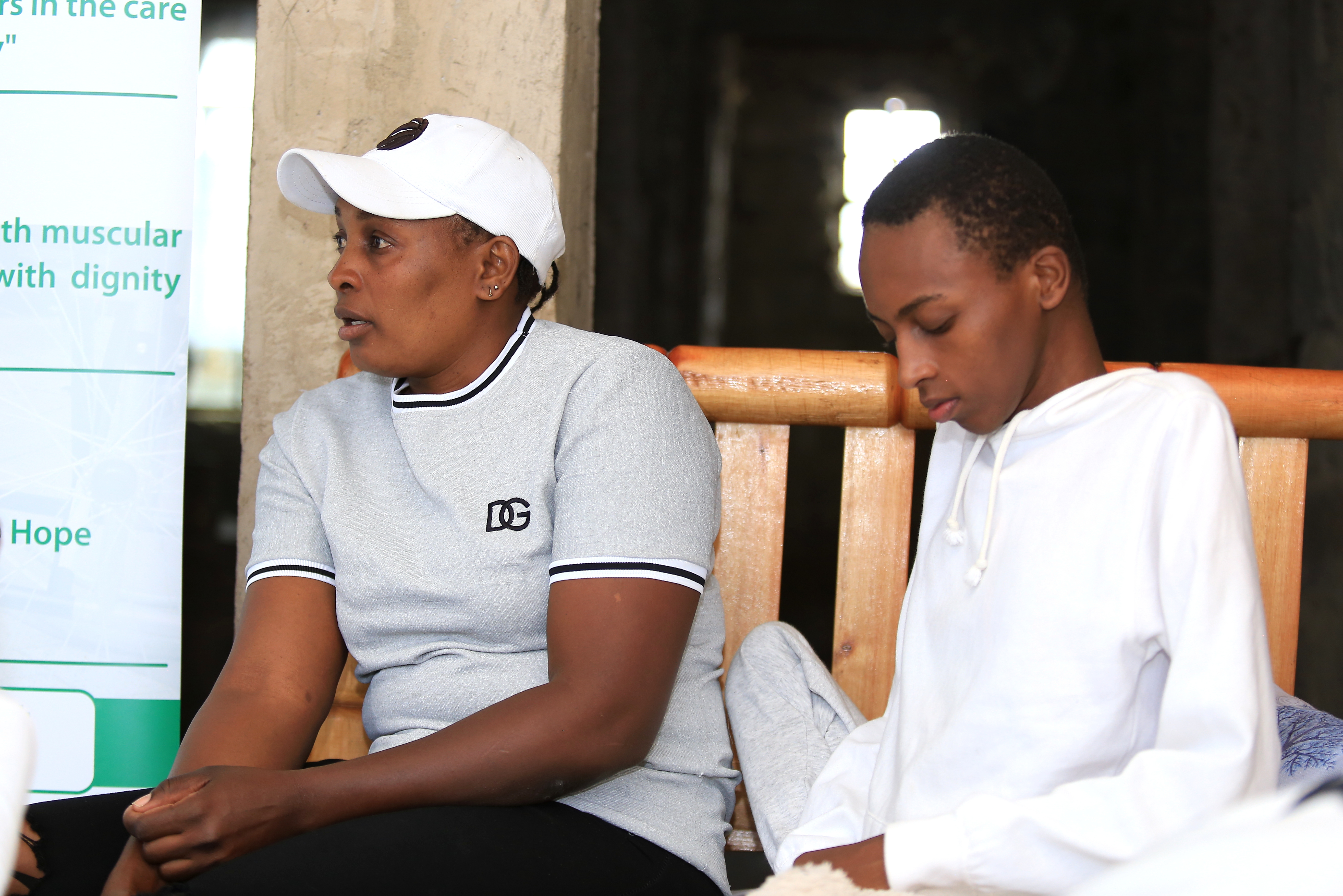

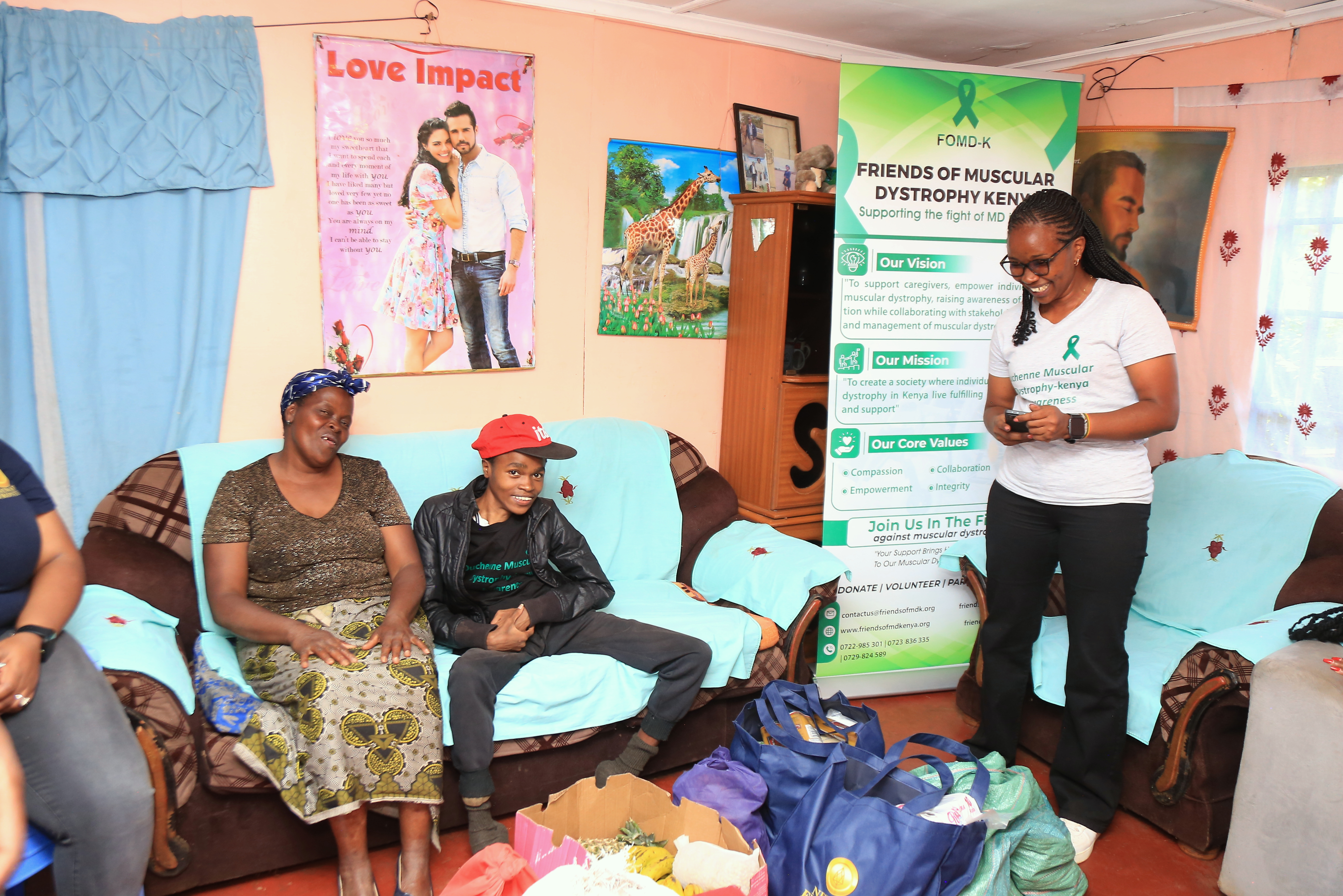


©
Working Wave, All Right Reserved.
Nairobi, Kenya
"Embracing life's challenges with courage and determination"
Years Old
At first glance, Adrian Mwai looks like any other 12-year-old boy who loves video games and
dreams about the day he will finally own a PlayStation 5. He laughs easily, gets excited talking
about digital worlds, and enjoys spending time with his little brother, Ethan, who is just four
years old.
But behind that bright smile is a journey of courage, exhaustion, and a mother’s relentless fight
to give her son a full life.
Adrian lives in Kiambu County and has Duchenne muscular dystrophy (DMD), a rare and
progressive condition that weakens the muscles over time. His story is not just about illness. It is
about love, resilience, and the quiet battles families fight every single day.
Adrian’s journey did not begin with a diagnosis. It began with small, worrying signs.
He started holding onto stair rails. Leaning on furniture. Reaching for friends to steady himself
while walking. What others might have dismissed as clumsiness, his mother, Hannah Wairimu,
saw as something deeper.
She began seeking medical help, hoping for reassurance. Instead, she was told nothing was
wrong. But a mother’s instinct does not quiet easily. Hannah kept searching until she reached an
orthopedic hospital in Kikuyu. That is where she first heard the words that would change their
lives: Duchenne muscular dystrophy.
She was referred to a neurological hospital where each visit cost KSh 5,000. Every appointment
meant choosing between essential needs and medical care. Later, they were referred to Kenyatta
University Teaching, Referral & Research Hospital, which brought some relief because it was
more affordable and closer to home. Still, nothing could soften the emotional weight of learning
that your child has a lifelong, progressive condition.
Hannah had never heard of DMD before. She began reading, researching, and trying to
understand what the future might hold.
Then one morning, Adrian woke up and could no longer stand on his own. His leg muscles had
weakened to the point where they could no longer support him. Childhood, as they knew it,
shifted overnight.
As Adrian’s condition progressed, Hannah faced an impossible decision. Continue working and
struggle to meet his growing needs, or leave her job and become his full-time caregiver.
She chose her son.
Her days are now filled with hospital visits, therapy sessions, lifting, supporting, and advocating.
There are no days off. No breaks. Just a mother doing everything in her power to protect her
child’s dignity and future.
Adrian loves learning. He loves being around other children. But school became another battle.
For a while, an older student helped him move around. When that student completed school, the
family was told they would need to pay KSh 500 every day for external assistance. For a family
already stretched by medical expenses, this was not sustainable.
Hannah transferred Adrian to a more inclusive school, hoping for better support. But inclusion is
still a work in progress. Many teachers and students do not understand DMD. Some do not know
how to help. Others do not realize how much small adjustments can change a child’s life.
Still, Adrian shows up. He tries. He learns. He keeps going.
Therapy is essential for children with DMD. It helps maintain mobility, reduce complications,
and improve quality of life. But therapy is expensive. Even with government health coverage,
many sessions, assistive devices, and specialized needs are not fully covered.
Mobility is one of Adrian’s biggest daily challenges. An electric wheelchair would transform his
independence. It would help him move around school, reduce strain on his caregivers, and allow
him to do simple things many of us take for granted, like going to the washroom without
constant assistance.
For Adrian, mobility is not just about movement. It is about dignity.
In the middle of all this,Friends of Muscular Dystrophy Kenya became a lifeline.
Through psychosocial support, medical assistance, and strong advocacy work, the organization
has helped Hannah feel less alone. They have created a space where families share experiences,
learn from each other, and find strength together.
Support does not erase the challenges. But it makes them easier to carry.
Hannah believes inclusion must go beyond policies and promises.
She urges teachers to create classrooms where children with disabilities are not just present, but
truly supported. She asks communities to replace stigma with understanding. And to policy
makers, she says:
Inclusion is not just a word. It is engagement. It is accommodation. It is support. It is kindness.
Most importantly, it is building systems with families, not just for them.
Adrian is not defined by Duchenne. He is a big brother. A gamer. A child with dreams, curiosity,
and joy.
When you support families like Adrian’s, you are not just funding therapy or equipment. You are
protecting childhood. You are restoring dignity. You are giving a mother strength to keep going.
You are giving a boy the chance to live beyond his limitations.
And sometimes, support means helping a 12-year-old boy get closer to something as simple and
meaningful as playing his favorite game with a smile on his face.
Because hope, like childhood, should never be out of reach.